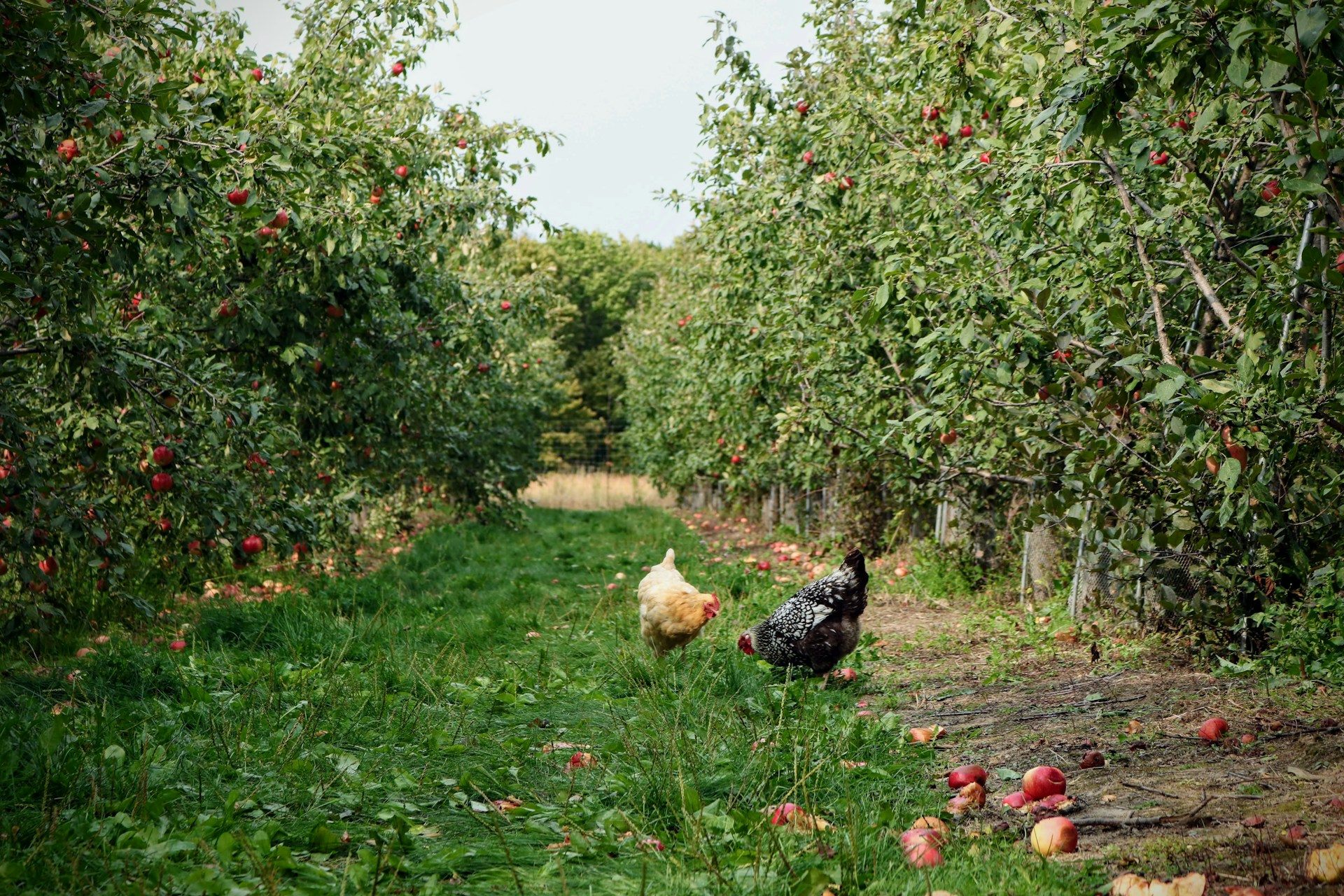
Design Consultation
Just want some guidance so you can put it together yourself? We'll walk your landscape and your goals together, and I'll give you concrete ideas and clear direction on what you can do and how to make it happen.
Denver & the Front Range
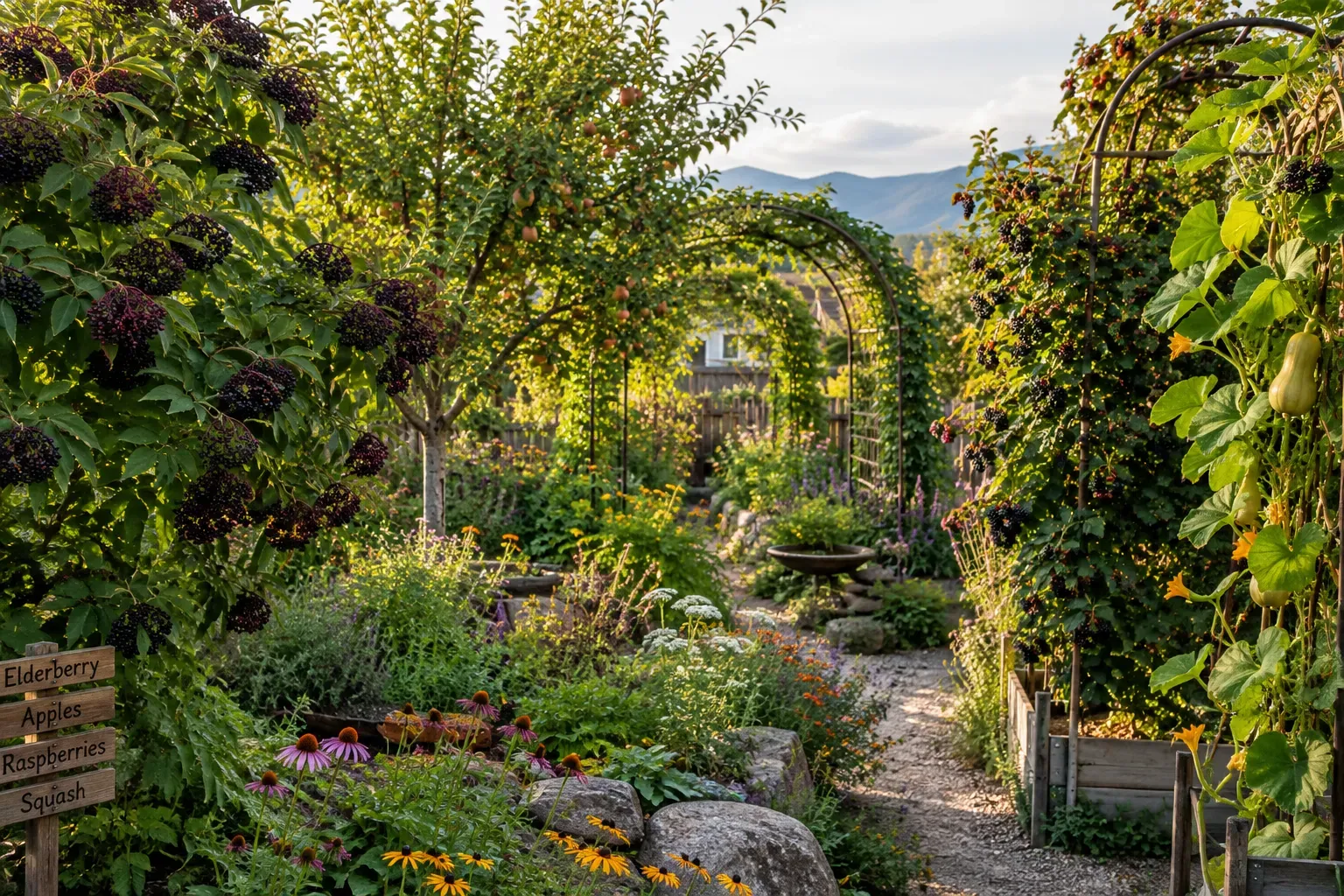
We design and install food forests and edible gardens that feed your family, restore your soil, and look beautiful every season — turning ordinary residential yards into living, productive ecosystems.
Front Range Food Forests is a Denver-based food forest and edible landscape design studio serving homeowners across the Colorado Front Range — including Denver, Boulder, Littleton, Arvada, Golden, and the surrounding metro. We transform ordinary, thirsty lawns into beautiful, low-water food forests and edible landscapes built for our high-desert, Zone 5b–6a climate: fruit and nut trees, berry shrubs, perennial vegetables, herbs, and pollinator plants layered into a resilient ecosystem that feeds your family and restores your soil. Using regenerative and permaculture principles, we design, install, and help you care for yards that get more abundant every year. We also offer agritourism consulting for small Colorado farms looking to diversify their income and strengthen our local food system.
Ways to Work Together
However you like to grow — a little expert guidance, a full installation, more from the garden you already have, or a lush jungle indoors — there's an option that fits.
Just want some guidance so you can put it together yourself? We'll walk your landscape and your goals together, and I'll give you concrete ideas and clear direction on what you can do and how to make it happen.
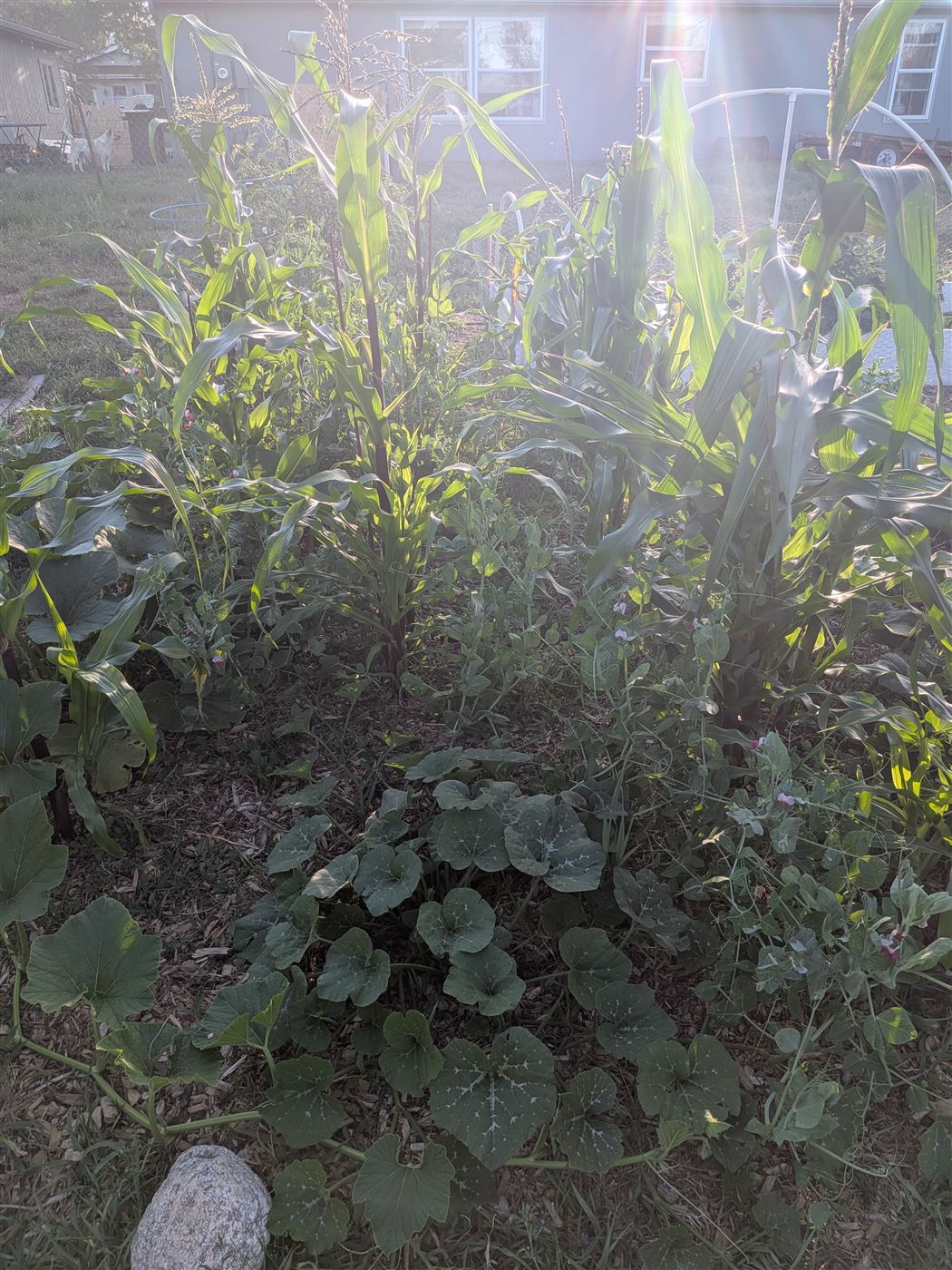
Want more help but still want to do the install yourself? I'll design a full site plan and a complete plant list with install and care instructions — plus ongoing support whenever you need it.
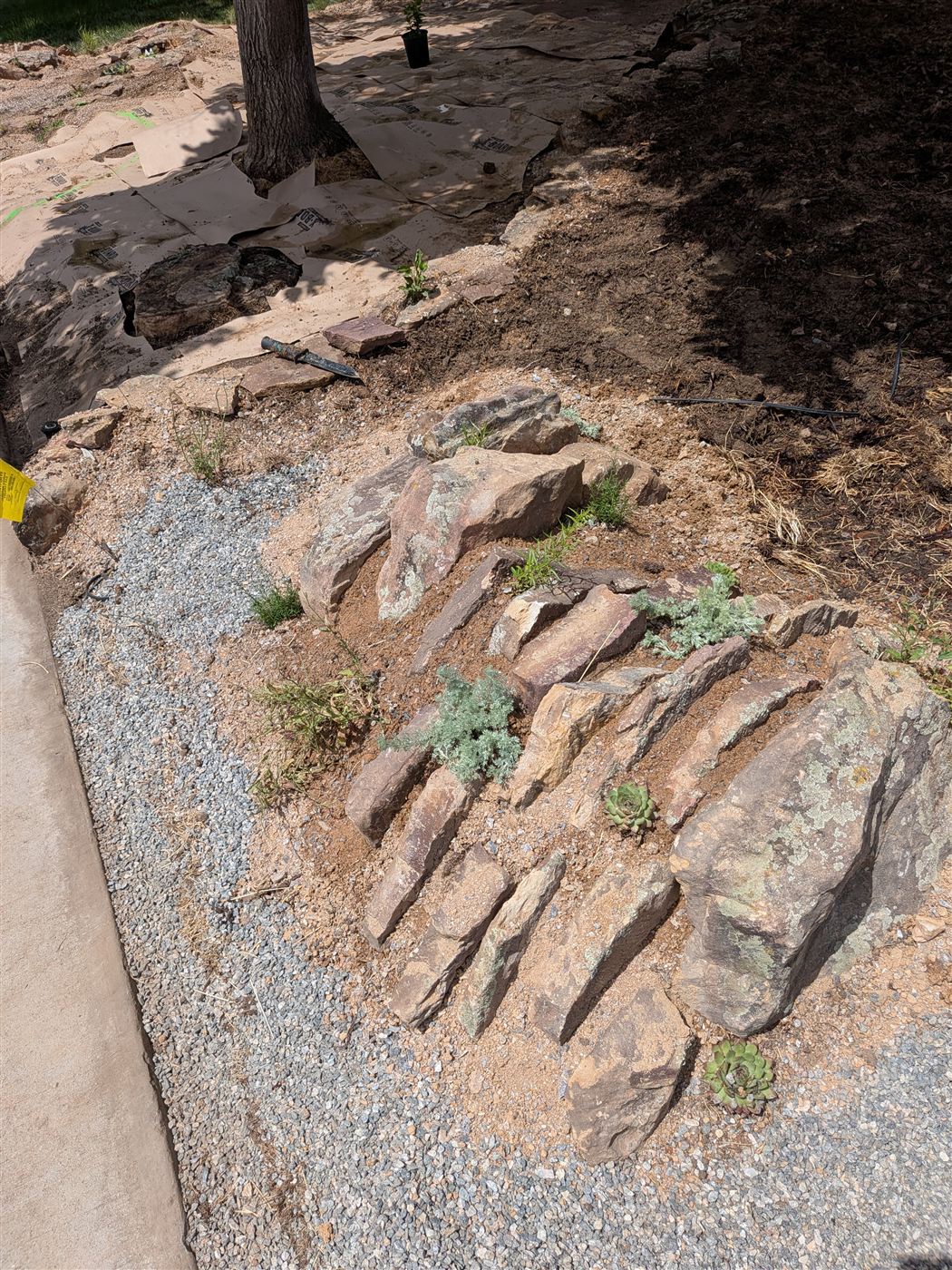
The full package: my team installs everything, so you don't have to lift a finger to get your edible landscape set up. Includes your plan and care instructions for using and maintaining it. I don't offer ongoing maintenance myself, but I'm happy to connect you with trusted local companies who do.
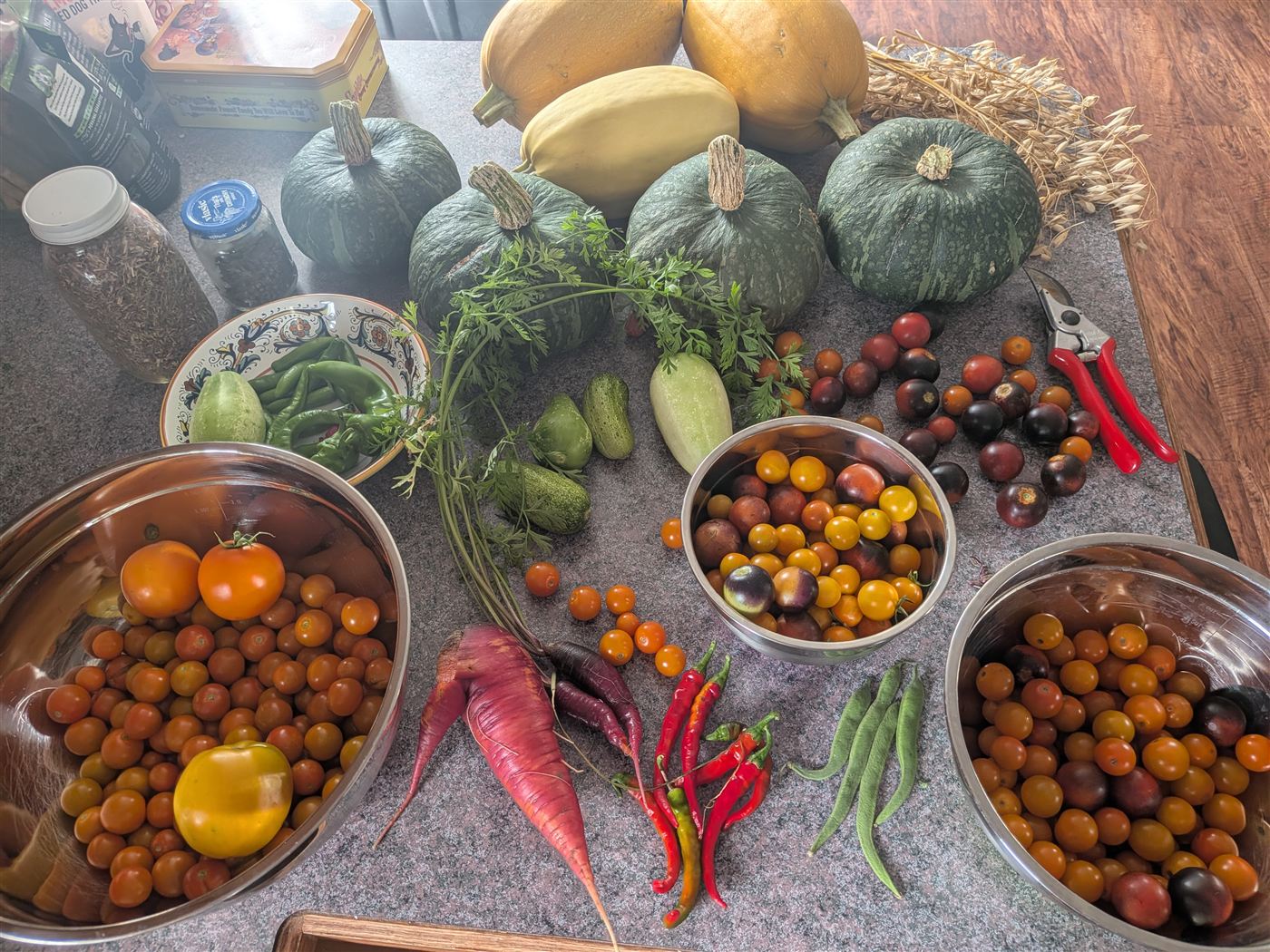
Already have a garden but want it to give you more? I offer consultations to teach you how to care for it properly and make the most of what you have — right through to preserving your harvest.
How It Works
We talk through your vision, your yard, and what you'd love to grow. No pressure, just possibilities.
I assess your soil, sun, and water, then craft a custom plan that fits your space and lifestyle.
We bring the design to life — building soil and putting living roots in the ground.
Ongoing care and coaching so your landscape gets more abundant every single year.
Why I do this
Our food system has never felt more fragile — yet the most powerful fix can start right in your own backyard. I'm on a mission to help our community feed itself: empowering homeowners and small local farms to grow food, resilience, and income here on the Front Range.
And you don't have to do it alone. We've gathered the Denver-area organizations growing, rescuing, and advocating for good local food — with simple ways to donate your extra harvest, volunteer, compost, join a community garden, or lend your voice.
Explore ways to get involvedNew: For Small Farms
Your land can earn more than one harvest. I help small farms open their gates to visitors and build new, diversified income streams — strengthening our local food system without losing the soul of what makes your farm special.
About
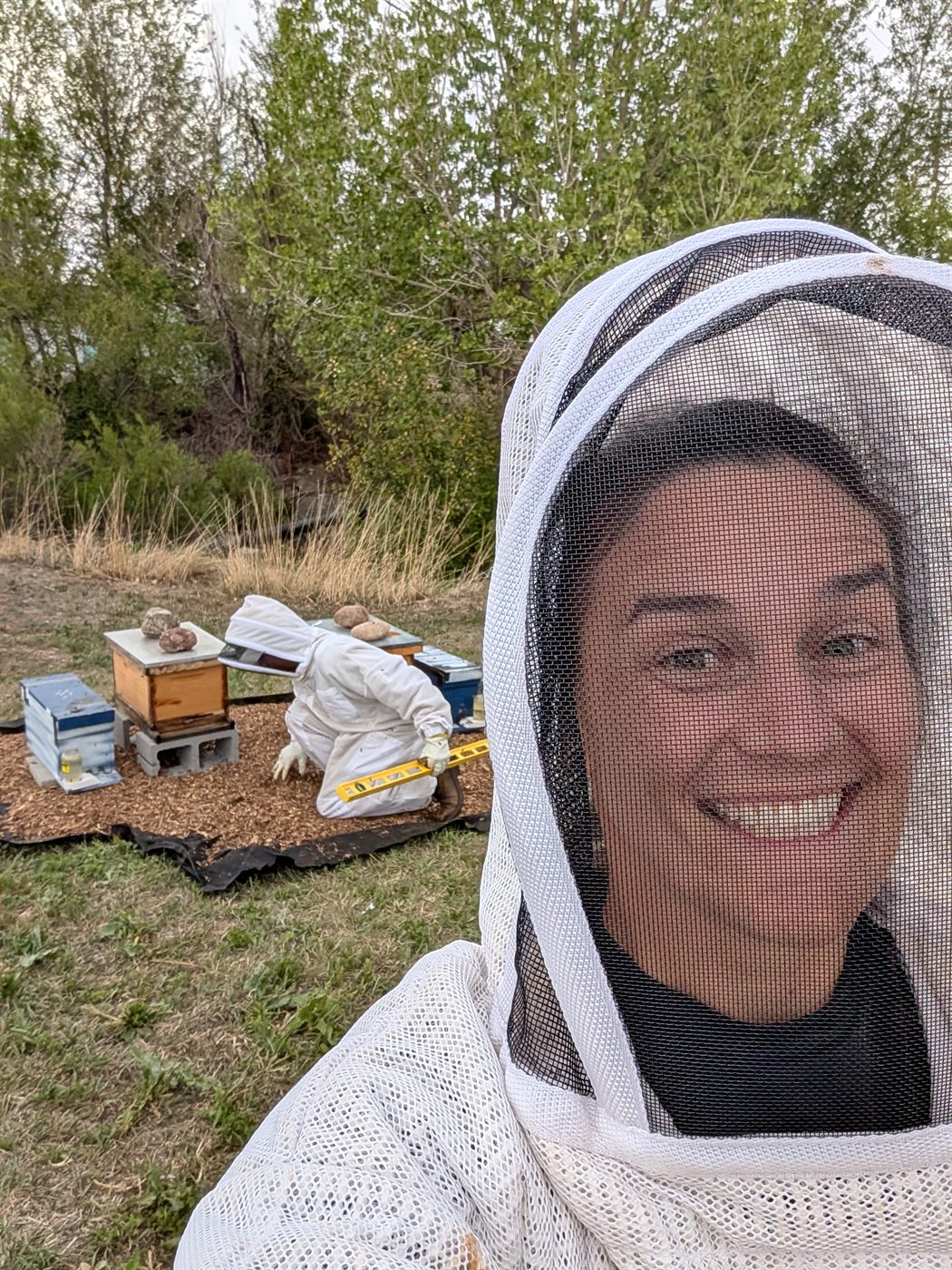
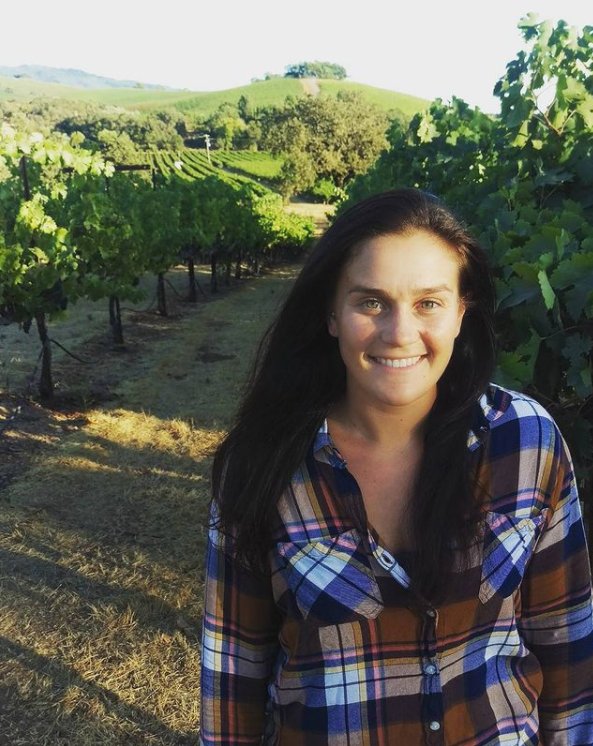
I started my career as a winemaker — learning, season after season, how soil, climate, and a little patience turn into something that nourishes people. Six years ago I began turning my own turf lawn into a food forest. What started as a hobby quickly became a calling.
The more I grew, the more concerned I became about how fragile our food systems have become — how far our food travels, and how little of it we truly control. I've come to believe the antidote starts close to home: in backyards, on small farms, in neighborhoods that can help feed themselves.
Along the way I earned my Permaculture Design Certificate, and I practice regenerative permaculture principles in every project — working with nature, not against it, to build living soil, hold water, and create landscapes that grow more resilient every year.
Today I help homeowners and small local farms grow real food and lasting resilience — sharing what I know about regenerative gardening and agritourism so our community can support itself, one landscape at a time.
— Elly Kirkhoff, Founder of Front Range Food Forests
FAQ
A food forest is an edible landscape designed to mimic a natural woodland — layering fruit and nut trees, berry shrubs, perennial vegetables, herbs, and pollinator plants so they support each other. The result is a beautiful, low-maintenance yard that produces food year after year while improving your soil and using less water than a lawn.
Every project is different, but as a rough guide a site visit and full design plan usually runs around $3,000, depending on your square footage and the features you want. Full design-and-install projects scale from there with the size and complexity of your yard. If budget is a concern, a DIY-focused design consultation is a more affordable way to get expert guidance and put it together yourself. We'll talk budget openly on your discovery call and can phase the work over seasons so it fits what you're comfortable spending.
Yes — when it's designed for the Front Range. We specialize in our Zone 5b–6a, high-desert conditions: choosing drought-tolerant and cold-hardy edible plants, building water-holding soil, and using water-wise techniques so your landscape thrives on far less irrigation than turf grass.
We design and install edible landscapes throughout the Denver metro and Colorado Front Range — including Denver, Boulder, Littleton, Arvada, Golden, Wheat Ridge, Lakewood, and nearby communities. Agritourism consulting is available to small farms across Colorado and the Mountain West.
Absolutely. We design edible landscapes that read as intentional and beautiful — defined borders, clean paths, and structured plantings — so your yard looks polished and welcoming while still being remarkably productive.
Agritourism consulting helps small farms open their gates to visitors and build new income streams — farm tours, U-pick, workshops, events, and farm stays. I also help you navigate the grants, permits, and legal considerations involved. If you have idle land or buildings, or a slow off-season, and want income that isn't tied to commodity prices, it's likely a strong fit.
A traditional vegetable garden is mostly annuals you replant every spring, in tidy rows that need regular watering, weeding, and fertilizing. A food forest is built mainly from perennials — trees, shrubs, and plants that return year after year — arranged in layers that feed the soil and crowd out weeds. Once established, it needs far less water, work, and input than a conventional garden while producing fruit, nuts, berries, herbs, and vegetables all together.
You'll harvest herbs, greens, and many perennials in the very first season. Berries typically bear within one to two years, and fruit and nut trees come into fuller production over three to five years as the system matures. Unlike an annual garden that peaks and fades, a food forest is designed to get more abundant every single year.
Much less than a lawn or a conventional vegetable garden once it's established. The first year or two need regular watering and attention while roots take hold; after that, a mature food forest largely mulches and feeds itself, needing mainly seasonal pruning, light weeding, and harvesting. We design for low maintenance, and I can coach you or check in each season so it never feels overwhelming.
On the Front Range, fall and early spring are ideal. Fall planting (roughly September–October) lets roots establish before summer heat, and early spring works well too. Because design takes time, the best moment to start planning is now — that way your plan is ready to go in the next good planting window.
Apothecary Gardens are our ready-made medicinal and herbal garden designs you can buy and plant yourself. Each one is a complete plan built around five Front-Range-hardy plants for a specific purpose — with a planting map, plant profiles, and recipes — so you can grow a purposeful herbal garden without commissioning a custom design. Browse the Apothecary Gardens.
Free Guide
Get my free guide — 5 Edible Plants That Thrive on Colorado's Front Range — five beautiful, low-water, cold-hardy picks you can plant once and harvest for years.
Get in Touch
Tell me a bit about your yard or farm and what you're dreaming up. I'll get back to you within a couple of business days — or skip the back-and-forth and book a call right now.
Book a Free Consultationor reach me directly